
The modern logistics industry relies on artificial intelligence. Major e-commerce giants, delivery service partners (DSPs), and freight carriers use AI-driven dispatch engines, dynamic route-optimization algorithms, and automated driver-monitoring telematics to maximize speed and efficiency. These AI systems calculate delivery windows down to the second, re-route drivers around traffic anomalies in real time, and monitor cabin behavior using AI cameras.
The Conflict: Algorithmic Pressure vs. Human Driver Control
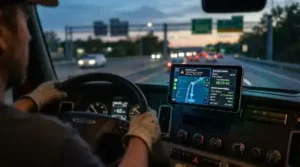
Historically, commercial vehicle accidents rested on straightforward legal doctrines: human driver negligence (e.g., speeding, distracted driving, fatigue) combined with vicarious liability (holding the employer responsible for the driver’s actions during scope of employment). While these core legal principles remain, AI logistics software alters the equation by serving as an active participant in fleet operations.
Modern delivery management software does more than suggest routes; it actively manages driver performance through several mechanisms:
- Unrealistic Delivery Metrics: AI dispatch systems calculate turn-by-turn routes based on ideal conditions, setting automated targets that leave little room for unexpected delays or rests.
- In-Cab Algorithmic Distraction: Audio prompts, constantly updating routing displays, and automated performance alerts require driver attention while the vehicle is in motion.
- Algorithmic Penalties: Drivers who fail to meet AI-generated delivery times risk lower metrics, reduced route assignments, or automated termination, creating implicit pressure to bypass safety protocols.
When an accident occurs because a driver was rushing, fatigued, or checking an in-cab display for route updates, defense counsel often attributes the fault entirely to driver error. However, personal injury attorneys are increasingly looking higher up the chain to argue that the logistics algorithm itself created a hazardous workplace environment that made negligence foreseeable—or even inevitable.
Evaluating Liability: Who Is Responsible?
Establishing commercial fleet AI accident liability involves examining multiple entities across the logistics supply chain. Depending on the facts, liability may be distributed across several parties:
1. The Human Driver
Under the law, the operator of a motor vehicle owes a duty of care to everyone on the road. Regardless of what an AI route manager or dispatch system demands, drivers are legally required to obey traffic signals, observe posted speed limits, and operate their vehicles safely. If a driver chooses to run a red light to meet a tight delivery window, the driver remains individually negligent.
2. The Logistics Company or Fleet Owner
Employer liability remains a central pillar of commercial truck accident litigation. Under the doctrine of respondeat superior, fleet operators are responsible for negligent acts committed by employees within the scope of their employment. Furthermore, fleet operators can face direct claims for:
- Negligent Supervision and Scheduling: Deploying AI scheduling models that systematically encourage drivers to breach federal Hours of Service (HOS) rules or local speed laws.
- Failure to Override Algorithmic Directives: Ignoring telematics alerts showing that fleet drivers are consistently violating safety regulations to meet AI targets.
Regulatory oversight plays a critical role here. The Federal Motor Carrier Safety Administration (FMCSA) establishes strict safety rules governing commercial motor vehicle safety, hours of service, and vehicle maintenance. If a fleet’s automated dispatch engine forces drivers into non-compliance with FMCSA safety mandates, the fleet operator faces significant legal liability.
Regulatory Overview: The Federal Motor Carrier Safety Administration (FMCSA) sets nationwide standards for commercial vehicle operation, safety compliance, and telematics integration across interstate fleets. Access official compliance guidelines at the FMCSA Official Portal.
3. AI Software Developers and Third-Party Vendors
When an accident stems directly from a flaw in automated software—such as a dynamic navigation tool sending a heavy commercial vehicle down a pedestrian-only lane or under a low-clearance bridge—liability may extend to the software developers under product liability theories. Proving software defects requires establishing that the algorithm was inherently unsafe for its intended commercial application or lacked appropriate safeguards.
The Role of AI Telematics and Data Logs in Crash Investigations

In traditional vehicle accident claims, evidence relied primarily on police reports, witness testimony, and physical debris analysis. In AI-assisted fleet collisions, the most compelling evidence comes from the vehicle’s onboard telematics and algorithmic data logs.
Following a collision, accident reconstruction specialists and legal teams subpoena key electronic records, including:
- Event Data Recorders (EDRs) & Telematics: Speed logs, braking force data, throttle position, and lane-departure warnings leading up to the crash.
- In-Cab AI Camera Feeds: Video records tracking driver eye movements, fatigue indicators, hands-on-wheel status, and mobile phone usage.
- Dispatch Engine Route & Scheduling History: The exact timing of dispatch messages, algorithmically calculated delivery quotas, and driver notification timestamps.
This digital evidence helps reconstruct the exact sequence of events, revealing whether the driver was distracted by an AI prompt or acting under severe pressure from automated schedule demands.
Comparative Fault and Corporate Accountability
Many commercial vehicle claims involve comparative fault defenses. Insurance carriers representing corporate fleets often argue that the driver exercised poor judgment or that third-party motorists contributed to the accident. However, as fleets adopt higher levels of automated assistance and algorithmic dispatch, courts are tasked with apportioning fault more comprehensively.
If a jury determines that a driver was 60% at fault for speeding, but the fleet company’s AI system was 40% at fault for setting impossible delivery targets while broadcasting continuous cab alerts, the liability is shared. Demonstrating corporate negligence behind algorithmic dispatching is often key to securing full compensation for medical expenses, lost wages, and pain and suffering.
Conclusion
As commercial delivery fleets integrate real-time AI tools, the line between human driver error and corporate algorithmic liability continues to blur. While human operators remain responsible for basic road safety, logistics companies cannot use automated platforms to escape liability for unsafe schedules and hazardous working conditions.
If you or a loved one has been injured in a collision involving a commercial delivery truck or fleet vehicle, investigating the technology behind the fleet is essential. Uncovering telematics data, dispatch records, and algorithmic schedules can clarify accountability and ensure negligent corporate operators are held responsible.