
With the surge in micromobility — including electric scooters and e-bikes — urban roadways are witnessing new types of collisions. When a ride-hail vehicle is involved in a crash with one of these devices, the legal and insurance implications may differ from a standard vehicle accident. This article explores the rising risk in 2025, the unique liability issues, and what anyone involved should consider to protect their interests.
Why These Collisions Are Becoming More Frequent
Several factors contribute to the uptick in collisions involving ride-hail vehicles and micromobility devices:
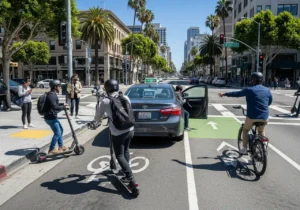
- Increased micromobility usage: More people are using e-scooters and e-bikes for last-mile travel, errands, and commutes, meaning they share the roads and curb zones where ride-hail vehicles operate.
- Complex curb-side and drop-off zones: Ride-hail drivers pick up and drop off passengers in busy urban zones, sometimes navigating scooters, bicycles, and pedestrians simultaneously — increasing the chance of a collision.
- Visibility and speed issues: E-scooter and e-bike riders can move faster than pedestrians and may come into a ride-hail driver’s path unexpectedly, especially in mixed traffic or bike lane zones.
- Infrastructure change in 2025: Many cities have expanded micromobility lanes or changed curb rules this year, creating new “interaction zones” between ride-hail vehicles and scooter/e-bike riders.
Unique Legal & Insurance Considerations in These Crashes
When a ride-hail vehicle collides with a scooter or e-bike, there are additional layers of complexity compared to a typical car-versus-car crash:
- Ride-hail driver status and insurance coverage: The appraisal of liability and which insurance policy applies may hinge on whether the ride-hail driver was logged into the app, had a passenger, or was simply waiting for a request.
- Multiple potential liable parties: Liability may extend beyond just the ride-hail driver and scooter/e-bike rider. The ride-hail platform, the micromobility provider, and even the municipality responsible for curb design or bike-lane layout may share fault. For example, unsafe road conditions or poor signage may contribute. :contentReference
- Coverage gaps for micromobility devices: Many personal auto insurance policies don’t account for scooters or e-bikes — particularly rentals — leading to coverage gaps.
- Evidence demands may differ: With smaller devices involved, capturing detailed photos of the scene (device condition, curb design, app logs) becomes critical. Also, data from ride-hail apps and micromobility rental apps may become pivotal.
What’s Changing in 2025 That You Should Be Aware Of
Several recent trends in 2025 are shaping how these accidents are handled:
- More widespread adoption of dedicated scooter/e-bike lanes and use zones, altering traffic patterns and increasing interactions with ride-hail vehicles.
- Ride-hail platforms refining their policy disclosures about micromobility-device interactions, though many remain complex.
- Insurance underwriters placing greater emphasis on the moment of collision — particularly whether the ride-hail app was active and whether the driver was carrying a passenger.
- Emerging legislation in some cities addressing e-scooter/e-bike liability, registration, and mandatory insurance minimums.
What To Do If You’re Involved in a Ride-Hail Vehicle & Scooter/E-Bike Collision
If you are involved in an accident with a ride-hail vehicle and a micromobility device — whether as the rider, the vehicle occupant, or a third-party pedestrian — the following steps may help you protect your position:
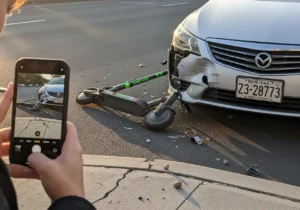
- Seek medical evaluation immediately. Even seemingly minor injuries can have delayed effects, especially with crashes involving smaller devices or unusual angles of impact.
- Report the incident via relevant apps. If the ride-hail driver was logged into a ride-hail app, note the timestamp and status. If the scooter/e-bike was a rental, note the rental app’s data and usage period.
- Document the scene comprehensively. Take wide-angle shots and close-ups of the ride-hail vehicle, the scooter/e-bike, curb conditions, signage, lighting, road surface, and any skid or damage marks.
- Gather contact and witness information. Obtain driver and vehicle info, micromobility rider details or rental company info, any passengers, riders, and eyewitnesses. Record company names for the micromobility provider if applicable.
- Preserve digital and device logs. Retain screenshots of the ride-hail trip log, micromobility rental history, GPS data, timestamps — these may become critical evidence in liability or insurance claims.
- Consult with a personal injury attorney familiar with rideshare/micromobility collisions. Because these crashes involve overlapping domains of law — vehicle accidents, micromobility device regulation, rental app liability — legal guidance may help you assess fault and coverage options.
Conclusion
As micromobility devices continue to proliferate and ride-hail vehicles remain a significant part of urban transportation, the intersection of these two is becoming a notable source of serious accidents. For individuals injured in such collisions, knowing the evolving legal framework in 2025, making careful documentation, and seeking legal guidance may help in understanding how liability and coverage could apply.
If you or a loved one has been involved in a collision between a ride-hail vehicle and a scooter or e-bike, our team at AccidentsAttorney.net is prepared to review your case and offer a free initial consultation to discuss your rights and options.